

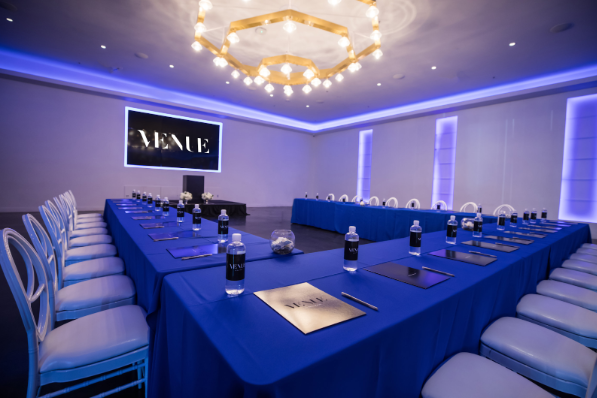
When planning a business event, the choice of venue can have a significant impact on its success. From corporate conferences to networking events, selecting the right business event venue sets the tone for the entire experience. Whether you are hosting a seminar, product launch, or company-wide meeting, the venue needs to align with your objectives and create the ideal atmosphere for your attendees. To help you make an informed decision, here are the key factors to consider when choosing a business event venue.
1. Location and Accessibility
The first factor to consider when choosing a business event venue is its location. A central location that is easy to access will ensure high attendance, as potential attendees can reach the venue without significant travel. Choose a venue that is close to major highways, public transportation, or airports, especially if you expect participants from different cities or countries.
Moreover, consider the parking facilities available. If your event will attract local attendees driving to the venue, ample parking space will be crucial. For international or regional attendees, a venue near an airport or a hotel with transportation options will be more convenient and appealing.
2. Size and Capacity
The size of the venue plays an essential role in determining the comfort and flow of the event. Too large of a space can make the event feel sparse and disengaging, while a venue that is too small can lead to overcrowding, which could negatively affect the experience. Therefore, it is vital to match the venue’s capacity with the expected number of attendees.
Take time to assess the room layout options within the business event venue. For example, if you are hosting a conference, you may need a large auditorium-style room, while a networking event or breakout session might require smaller, flexible spaces. Some venues offer the flexibility to divide large rooms into smaller sections, giving you more control over the event’s setup.
3. Amenities and Facilities
A professional business event venue should provide all the necessary amenities and facilities to ensure the smooth operation of your event. Consider the following features:
- Technology: The availability of audio-visual equipment, Wi-Fi, projectors, microphones, and other technology tools are essential for modern business events. A venue that provides these services or allows you to rent the necessary equipment will save you from logistical headaches.
- Catering Services: Depending on the type of event, you may require catering options, whether it’s for a formal dinner, cocktail reception, or simple coffee breaks. Many business event venues offer catering services, but be sure to confirm the quality, range, and flexibility of their menus.
- Restrooms and Comfort: Clean, spacious restrooms are essential for the comfort of your attendees. The venue should also offer comfortable seating arrangements, climate control, and accessibility features for those with disabilities.
4. Ambiance and Professionalism
The ambiance of the business event venue should reflect the tone of your event. For corporate meetings or product launches, you will want a venue that exudes professionalism and sophistication. The décor, lighting, and overall design of the venue should align with your brand image and the event’s objectives.
In addition to the aesthetic appeal, you should also assess the venue’s atmosphere. A noisy or disruptive environment could hinder the success of your business event. Ensure the venue offers a quiet, conducive environment where conversations and presentations can take place without interruption.
5. Cost and Budget
Budget considerations are a key factor in determining the right business event venue. The cost of the venue should align with your overall event budget, but it should not be the sole determining factor. In many cases, a slightly higher cost can be justified if the venue offers superior amenities, location, or services.
When comparing venues, be sure to inquire about any hidden fees, such as setup charges, technology rentals, or additional staff requirements. It’s essential to understand the full cost upfront to avoid any unexpected expenses. Look for venues that offer flexible pricing structures based on the size of the event or duration of the booking.
6. Reputation and Reviews
Before finalizing your decision, research the reputation of the business event venue. Online reviews and testimonials from previous clients can provide insight into the venue’s reliability, quality of service, and overall experience. Consider reaching out to other businesses or event planners who have used the venue to get first-hand recommendations.
Choosing a venue with a positive reputation will increase the likelihood of a successful event. Additionally, venues with experienced staff are more likely to anticipate your needs and provide proactive solutions if any challenges arise.
7. Flexibility and Support
A good business event venue will offer flexibility in terms of event customization and the level of support provided. It’s important that the venue’s staff can work with you to accommodate specific requests and adapt to changing circumstances. Whether you need adjustments to the layout, additional equipment, or last-minute changes, a venue with a dedicated team can make all the difference.
Moreover, some venues provide on-site event coordinators who can assist with logistics, ensuring your event runs smoothly. Having a professional team available for support can alleviate stress and allow you to focus on the content and networking aspects of your event.
Conclusion
Choosing the right business event venue is a crucial step in ensuring the success of your event. From location and size to amenities, budget, and reputation, each factor plays a role in creating the ideal atmosphere for your attendees. By taking the time to assess your options and aligning the venue with your specific needs, you can host a seamless and impactful business event that leaves a lasting impression on your guests.