
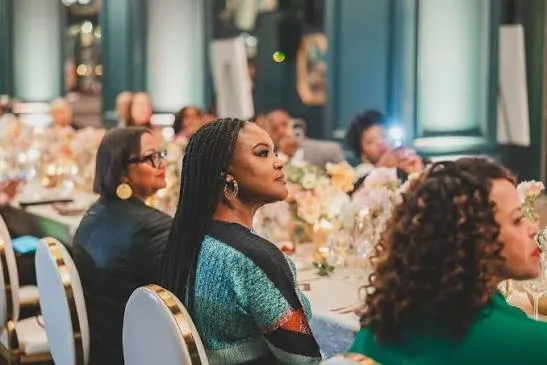
Choosing the right photographer is an important part of planning a successful event. Whether you are organizing a corporate gathering, wedding reception, birthday celebration, charity fundraiser, conference, or private party, professional photography helps preserve the moments that make the occasion memorable. In a busy city like Washington, DC, where events range from elegant formal celebrations to large professional gatherings, finding a photographer who understands your needs can make a significant difference.
A skilled DC Event Photographer does more than take pictures. They capture genuine emotions, important interactions, venue details, and spontaneous moments that tell the complete story of your event. However, with many photographers offering different services, packages, and styles, choosing the right professional requires careful consideration.
Here are several practical tips to help you find an experienced photographer who can deliver meaningful, high-quality images for your special occasion.
1. Identify Your Event Photography Needs
Before contacting photographers, determine the type of coverage your event requires. Different occasions demand different photography approaches, equipment, and levels of experience.
For example, a corporate conference may require professional headshots, speaker presentations, audience reactions, networking photographs, and sponsor recognition. A wedding reception may focus on emotional moments, family portraits, candid interactions, and decorative details. Meanwhile, a birthday party might benefit from a relaxed photography style that captures guests enjoying themselves naturally.
Make a list of the moments you want documented and the images you expect to receive. Consider whether you need photographs of specific guests, scheduled activities, branding materials, or the venue before attendees arrive.
Having a clear understanding of your requirements will help you explain your expectations and identify a DC event photographer whose services match your occasion.
2. Review the Photographer’s Portfolio
A portfolio provides valuable insight into a photographer’s skills, creativity, and professional style. Before making a decision, examine examples of previous events that resemble yours.
Look for consistency in image quality, lighting, composition, color, and attention to detail. The photographer should be able to capture both planned photographs and spontaneous interactions without making the event feel overly staged.
Pay attention to how they photograph people in different environments. Washington, DC, events may take place in hotel ballrooms, conference centers, historic buildings, outdoor gardens, museums, and private venues. Each setting presents unique lighting and composition challenges.
Whenever possible, ask to see a complete event gallery rather than only a selection of the photographer’s best images. A full gallery demonstrates how consistently they document an occasion from beginning to end.
Choose a professional whose work reflects the atmosphere and visual style you want for your event.
3. Look for Relevant Experience
Photography skills are important, but experience with your particular event type can be equally valuable. A photographer who regularly covers corporate events may understand the importance of capturing executives, speakers, networking opportunities, and branded displays. Someone experienced in social celebrations may be particularly comfortable documenting candid interactions and emotional moments.
When interviewing a potential DC event photographer, ask about similar events they have covered. Find out how they manage busy schedules, changing lighting conditions, unexpected delays, and crowded environments.
An experienced professional can often anticipate important moments before they happen. They may know where to position themselves during speeches, when to prepare for group photographs, and how to capture important interactions without interrupting the occasion.
This preparation allows the event to proceed naturally while ensuring that significant moments are documented.
4. Understand Their Photography Style
Every photographer has a distinctive approach. Some prefer traditional photography, which emphasizes carefully arranged group portraits and formal compositions. Others specialize in documentary photography, capturing authentic moments as they unfold. Many professionals combine several approaches to create a balanced collection.
Consider the atmosphere you want your photographs to communicate.
For a formal corporate event, clean compositions and professional presentation may be essential. For a birthday celebration or networking reception, candid images can help convey the energy and personality of the gathering. A wedding or anniversary may benefit from a combination of posed portraits and emotional, unscripted moments.
Discuss your preferences with the photographer before booking. Review examples and explain whether you prefer bright, natural-looking images, dramatic lighting, classic portraits, or a more spontaneous documentary style.
Clear communication ensures that the final photographs align with your expectations.
5. Check Reviews and Client Testimonials
Client feedback can help you understand what it is like to work with a particular photographer. Although portfolios demonstrate visual quality, reviews often reveal important details about communication, reliability, professionalism, and delivery times.
Look for feedback across multiple platforms, including business listings, photography websites, and professional social media profiles.
Pay attention to repeated comments about punctuality, flexibility, friendliness, and the ability to manage challenging situations. These qualities matter because an event photographer frequently works under time pressure and interacts with guests, organizers, and venue staff.
If possible, ask the photographer for references from previous clients who organized similar events.
A professional with a strong reputation should be willing to explain their working process and provide relevant examples of previous assignments.
6. Discuss Pricing and Photography Packages
Photography costs can vary depending on the photographer’s experience, event duration, location, staffing requirements, editing process, and final deliverables. Instead of selecting a professional based only on the lowest price, compare the value included in each package.
Ask whether the quoted price includes:
-
A specific number of hours of event coverage.
-
One photographer or a team of photographers.
-
Professional editing and color correction.
-
Digital image delivery through an online gallery.
-
A guaranteed or estimated delivery timeframe.
-
Additional coverage, travel, or overtime charges.
Also, clarify whether high-resolution files are included and how the photographs may be used. Businesses may need permission to publish images in marketing materials, annual reports, websites, and social media campaigns.
Request a written estimate that outlines all agreed services and potential extra costs. Transparent pricing makes budgeting easier and reduces the possibility of misunderstandings later.
7. Evaluate Communication and Professionalism
The quality of communication before an event can indicate how smoothly the working relationship will proceed. A reliable photographer should respond clearly, ask relevant questions, and show genuine interest in understanding your plans.
During an initial consultation, explain your event schedule, venue, expected attendance, and key photography priorities. Notice whether the photographer listens carefully and offers practical suggestions.
For larger occasions, discuss the event timeline, arrival time, parking arrangements, access restrictions, and coordination with the organizer. If the event includes speeches, performances, or award presentations, ensure the photographer knows when and where these activities will occur.
Professionalism also includes respecting guests’ privacy, following venue rules, dressing appropriately, and remaining unobtrusive when necessary.
A photographer who communicates effectively can help reduce planning stress and contribute to a more organized event.
8. Ask About Equipment and Backup Plans
Professional photography involves more than owning an expensive camera. Reliable equipment, technical knowledge, and preparation are essential for producing consistent results.
Ask whether the photographer brings backup camera bodies, additional lenses, spare batteries, and sufficient memory cards. These precautions help minimize disruptions if equipment fails during an important moment.
Lighting is another consideration. Indoor events often involve dim ballrooms, mixed lighting, or challenging stage illumination. Outdoor gatherings may require adjustments for bright sunlight, changing weather, and evening conditions.
It is also worth asking how photographs are backed up after the event and what measures are used to protect the files.
Although technical details may seem minor, preparation helps ensure that your photographs can be captured safely and delivered reliably.
9. Confirm Image Delivery and Usage Rights
Before signing an agreement, clarify how and when you will receive the completed photographs. Some photographers provide a small selection of preview images shortly after an event, followed by a fully edited gallery. Others deliver the entire collection according to a specific turnaround schedule.
Ask whether the final images will be supplied through a private online gallery, downloadable files, or another delivery method. Confirm how long the gallery will remain available and whether additional editing requests will incur fees.
Usage rights are particularly important for business events. If you intend to use photographs in advertisements, press releases, company websites, or promotional campaigns, make sure the agreement permits those uses.
Understand whether the photographer retains copyright and what permissions you receive as the client. Written clarification helps prevent problems when sharing or publishing the images.
10. Book Early and Prepare a Photography Brief
Washington, DC, hosts conferences, political gatherings, corporate functions, cultural celebrations, and private events throughout the year. Popular photographers may have limited availability, especially during busy seasons.
Begin your search early to allow enough time for consultations, portfolio reviews, contract discussions, and planning. Once you book your photographer, prepare a brief that includes the event schedule, venue details, important attendees, requested group photographs, and essential moments.
For corporate occasions, include sponsor names, branding requirements, and key speakers. For personal celebrations, identify important family members or guests who should be photographed.
Share the brief in advance and arrange a final check-in before the event. This simple step helps the photographer prioritize your requirements while remaining flexible enough to capture unexpected highlights.
Conclusion
Choosing the right DC event photographer requires more than comparing prices or browsing a few attractive images. You should evaluate experience, portfolio quality, photography style, client feedback, communication, technical preparation, and the services included in the package.
Start by identifying your event’s specific needs, then compare suitable professionals and discuss your expectations in detail. Confirm pricing, delivery timelines, usage rights, and backup arrangements before making a commitment.
The right photographer will understand your priorities, work comfortably within your event schedule, and capture both planned activities and spontaneous moments. By investing time in the selection process, you can ensure that your photographs become a lasting record of the people, experiences, and achievements that made your Washington, DC, event special.